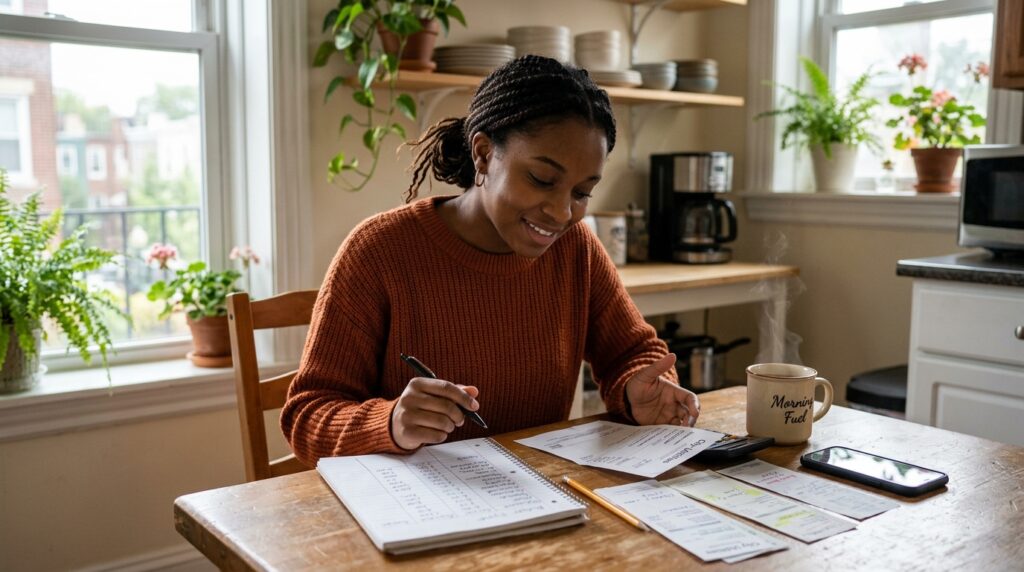
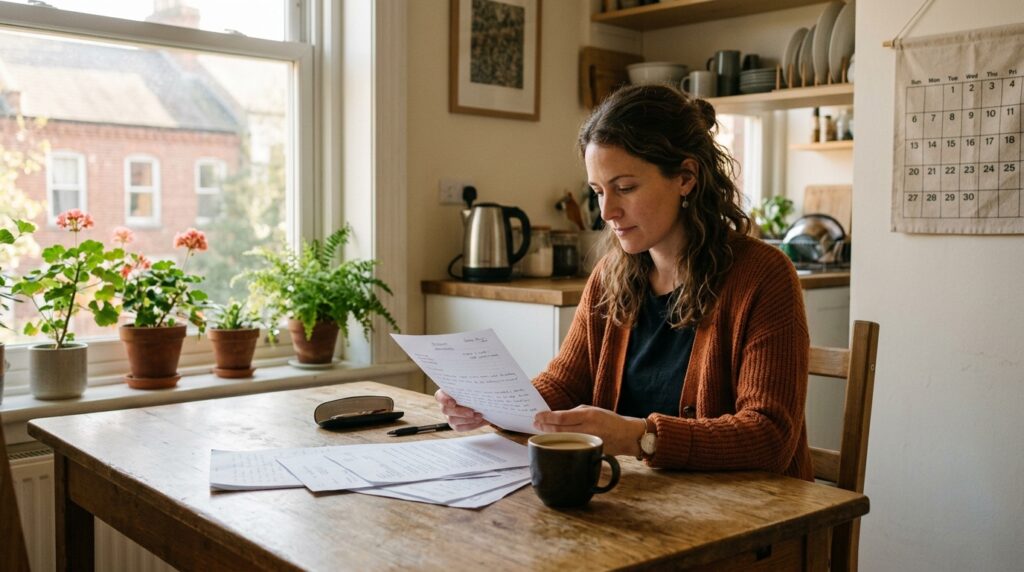
Everyone in Memphis seems to have a strong opinion on this. Your coworker swears buying is always smarter — building equity, not throwing money away on rent. Your neighbor just sold a house after two years and walked away with less than she put in, once you factor in the repairs. The truth is somewhere in the middle, and it depends heavily on your specific numbers.
Here is a grounded look at both sides in the current Memphis market, without the cheerleading.
What it actually costs to buy in Memphis right now
Memphis remains one of the more affordable metros in the country. Median home prices in Shelby County are running around $220,000 to $250,000, depending on the neighborhood and what has been updated. That sounds manageable until you add up what you actually need on day one.
A conventional loan with 5% down on a $230,000 home means $11,500 upfront, plus closing costs that typically run 2-3% of the purchase price — another $4,600 to $6,900. So you are looking at $16,000 to $18,000 out of pocket before you move a single box. At 7% interest (rates have been hovering in that range through most of 2025 and into 2026), your principal and interest payment on that loan comes to about $1,450/month. Add property taxes — Shelby County runs roughly $1,800 to $2,400 per year for a home in that range — plus homeowner’s insurance at $150-200/month, and your true monthly housing cost lands around $1,750 to $1,850 before you touch a single repair.
That last part is what buyers underestimate most consistently. A 1% annual maintenance budget is the standard financial planning benchmark: on a $230,000 home, that is $2,300/year, or about $190/month. Older Memphis housing stock can run higher. Budget realistically.
What renting actually costs
A decent two-bedroom apartment in Memphis — something clean, well-maintained, with in-unit laundry or a laundry facility on site — rents for $950 to $1,300/month in most parts of the city. Midtown, East Memphis, Bartlett, and Germantown run toward the higher end; South Memphis and parts of Frayser toward the lower end.
Your upfront cost is typically first month, last month, and a security deposit — sometimes just first and a deposit. Call it $2,000 to $3,000 to move in versus $16,000-plus to buy. That gap matters if you are building savings or your cash reserves are not deep.
Utilities are generally not included, but you are not on the hook for a water heater that dies in January or a roof that starts leaking. That risk transfer has real dollar value that most rent-vs-buy calculators undercount.
The credit and qualification reality
To get a conventional loan in today’s market, most lenders want a 620 credit score minimum — and you will pay significantly higher rates below 700. FHA loans allow as low as 580 with 3.5% down, but FHA also requires mortgage insurance for the life of the loan in most cases, which adds $100-150/month to your payment.
Renting is more accessible. Landlords vary widely, but many will work with scores in the 580-620 range, particularly if you can show steady income and offer a slightly larger deposit. If your credit has taken hits recently, renting while rebuilding is often the smarter sequence — not because buying is bad, but because buying with a weak credit profile costs you real money every single month in rate premiums.
When buying makes financial sense
If you plan to stay in the same place for at least five years, have a solid down payment and reserves, and are buying in a neighborhood with stable or rising property values, the math usually favors buying over a long enough horizon. You lock in your housing payment (a fixed mortgage does not go up the way rents do), build equity with each payment, and get favorable tax treatment on any eventual gain.
Memphis has neighborhoods where values have moved consistently over the past decade — Midtown, Cooper-Young, parts of East Memphis, and established corridors in Bartlett and Collierville. Buying in those areas with a reasonable down payment and good credit has historically worked out for people who stayed long enough.
When renting is the smarter move
Renting makes more sense when your timeline is short or uncertain. If there is any real chance you move for work or family in the next two or three years, buying is a gamble. Selling costs 6-8% of the sale price in agent commissions and closing costs, which wipes out any equity you built if appreciation has been modest.
It also makes more sense when your cash reserves are thin. Buying a house with just enough for the down payment and closing costs leaves you exposed the moment something breaks. Memphis summers are hard on HVAC systems; a full replacement runs $4,000-8,000. If that would clean out your savings, you are not financially ready to own — regardless of what a lender approves you for.
And if you are in a transitional period — new job, recovering credit, recently relocated — renting buys you time to make a better-informed decision without a major financial commitment locking you in place.
The actual bottom line
Neither option is automatically smarter. Run your own numbers: take the total monthly cost of buying (mortgage + taxes + insurance + average maintenance) and compare it to your current or projected rent. If the gap is small and you plan to stay put for five-plus years, buying deserves serious consideration. If buying stretches you thin, shortens your flexibility, or requires you to accept worse loan terms because of your credit score, renting is not “throwing money away” — it is paying for housing with predictable costs and no repair liability, which is exactly what housing is supposed to do.
If you are still renting and looking for a well-maintained place in Memphis, browse our available apartments — we have properties across several Memphis neighborhoods with transparent pricing and no games on the application.